Why the briefing matters.
The most important thing is that the photographer knows what is going to happen and what is expected of them. Once they know, experience kicks in and they can get to work. A good briefing is one written document, sent in advance, as a PDF or Word file. Everything below goes in it, and the more the photographer knows beforehand, the less has to be explained on the day, when everybody is busy.
Tell what the event is about.
Explain what exactly is going to happen and what the event is about: who it is for, what the goal is and what the atmosphere should be. Information about the event helps the photographer form a picture before arriving, and make better choices on the day.
Share the schedule and the special moments.
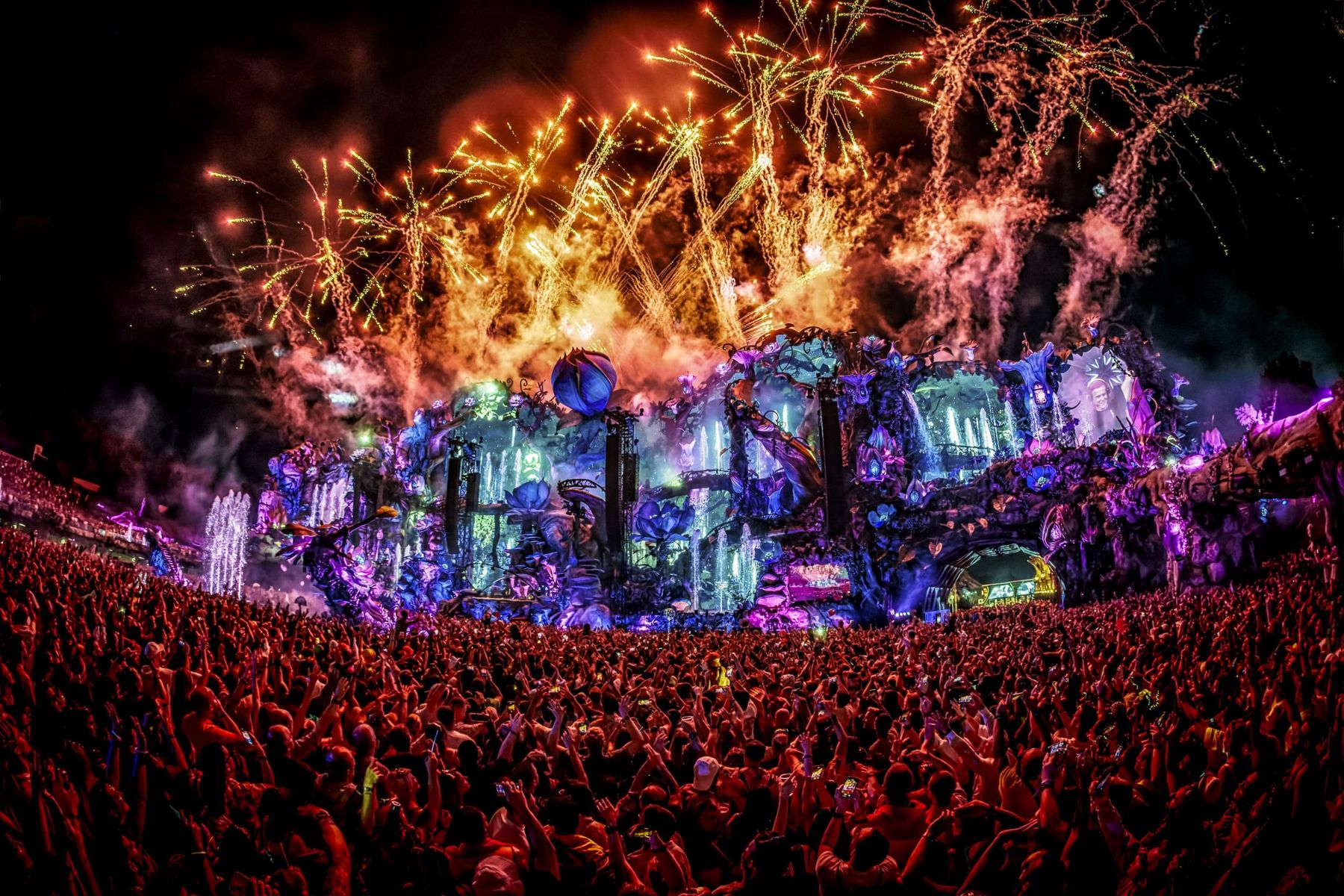
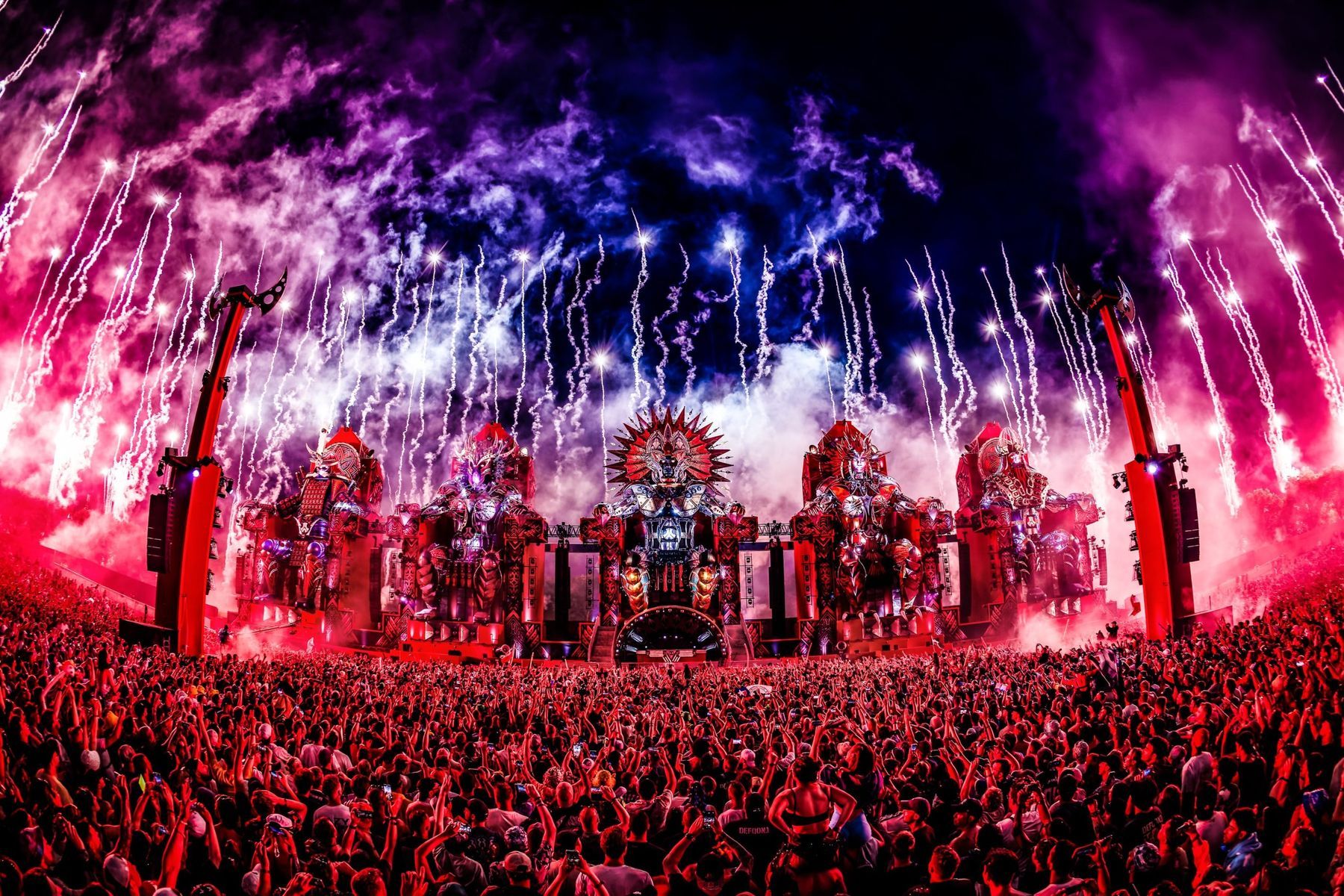
Give the full schedule with times, and mark the moments that matter: when SFX, fireworks or confetti are fired, when the headliner starts, when the speaker or the CEO takes the stage. If the photographer knows the time, they can be in the right place before it happens, instead of running after it.
Set the call time.
Tell the photographer what time to be there. As a rule of thumb: 30 minutes before the start for a corporate event, and about an hour before for music and festivals, so there is time for a walk-through of the site. For sports events and anything that needs accreditation, build the time for that into the planning, and mention it when you request the photographer.
List the key contacts.
Add the names and phone numbers of the important partners on the event: the production lead, the stage or area manager, the artist or speaker liaison, and the person who arranges access. One contact on site who can solve problems is worth a lot.
Must-haves and nice-to-haves.
Make two short lists. The must-haves are the shots you cannot do without: the sponsor activation, the headliner, the speaker. The nice-to-haves are everything you would be happy to get on top. The photographer knows then where to focus when time is short.
Leave room for the photographer.
Don’t plan every minute. If you tell a photographer exactly what to do at every moment, you lose their creativity. Experienced photographers know how to use the rest of the time on things the client often doesn’t think of: the details, the atmosphere, the people, the shot that tells the story of the day.
Also keep in mind that an event is a live situation, and not everything goes as planned. Schedules shift, acts start late, things happen that nobody expected. An experienced photographer makes something of it. And if something is a real must-have, give it time and information: the moment, the place and who is involved.
Describe the look and feel.
If you really want to help, describe the look and feel you want: dark and dramatic, bright and natural, close to the people or wide and big. A few example photos work even better than words.
Give the photographer a place to edit.
Editing happens at quiet moments, or between sets, when nothing is happening. So the photographer needs a place for it: somewhere to sit, where their gear can be stored and is safe, and a power socket. Without that, fast delivery is not possible. A quiet corner backstage, a production office or a press room is often enough, as long as it is close to the action and the door can be closed. It also means the photographer does not have to carry everything around all day, and can work lighter and faster when the next moment comes.
Plan when and where the photographer can eat and drink.
Think about it in advance: where can the photographer get food and something to drink, and when? An event day is long, often without a real break, and a photographer who is always on the move easily skips a meal. A well-fed photographer is a happy photographer, and one who can take on the whole world.
Put it in the briefing: the time of the meal or break, the place, and whether there is a catering pass or wristband needed. Ask about dietary needs, so the meal is something they can actually eat. A short break planned during a quiet moment, between sets or before the main programme, costs you nothing and pays back in the quality of the photos at the end of the day.
Agree on delivery.
Say when you want the photos. For most events the first photos are needed during the event, for social media. Put that in the briefing, together with who receives them, so the workflow on site is built around it. The full set follows later, within the agreed time.
Checklist · what goes in the briefing
- What the event is about, who it is for and what happens
- The full schedule with times
- Special moments: SFX, pyro, fireworks, confetti, headliners, speeches
- Call time and the address, with accreditation arranged
- Names and phone numbers of the key contacts on site
- Must-have shots and nice-to-have shots
- Look and feel, with example photos if you have them
- Room for the photographer: only plan what is a real must-have, and give those moments time and information
- A safe place to edit and store gear, with a power socket
- When and where the photographer can eat and drink, and any dietary needs
- When you need the first photos and the full set, and who gets them